Navigating Asbestos Training
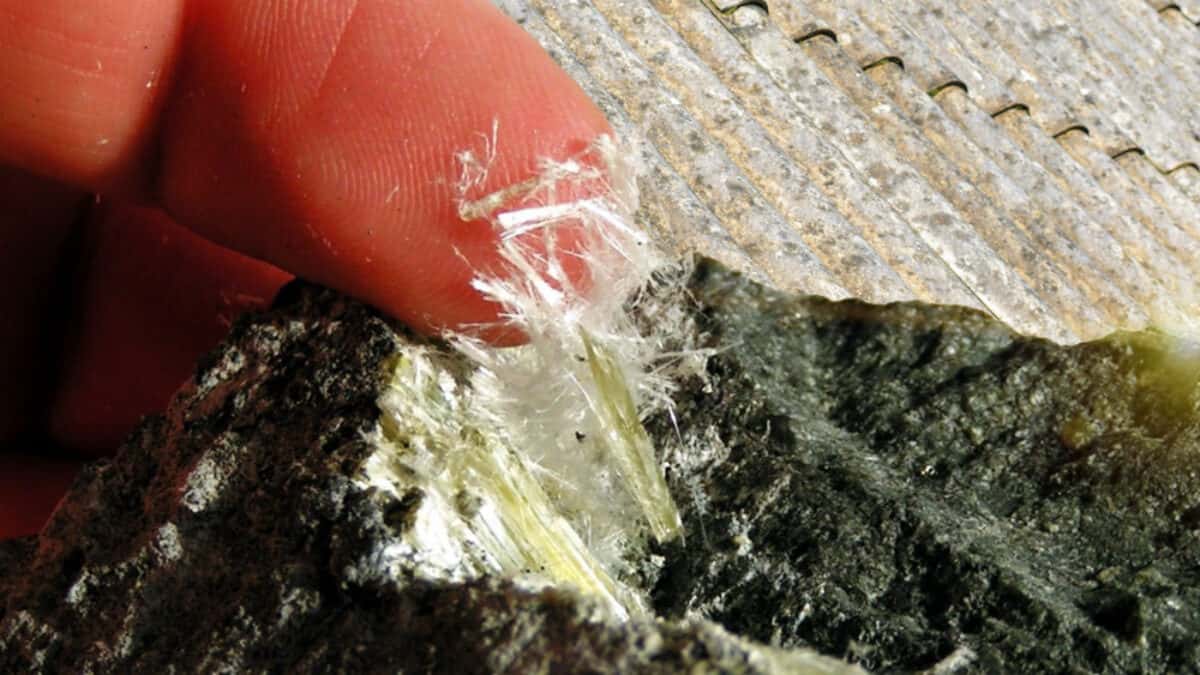
Navigating Asbestos Training: What is the difference between Awareness, Non-Licensed, Licensed, and CCDO?
Under the Control of Asbestos Regulations (CAR) 2012, the HSE categorises asbestos training into three main levels. Here is a breakdown of what each means, and how industry card schemes like CCDO fit in:
1. Category A: Asbestos Awareness
- Who it’s for: Tradespeople (e.g., electricians, plumbers, maintenance) who might inadvertently discover asbestos during their work, but will not intentionally disturb it.
- What it covers: Identifying potential asbestos-containing materials (ACMs), understanding health risks, and emergency procedures.
- Note: This does not qualify anyone to handle or remove asbestos.
- Who it’s for: Workers who intentionally disturb lower-risk materials as part of their job (e.g., removing asbestos cement roofing or floor tiles). This includes Notifiable Non-Licensed Work (NNLW).
- What it covers: Safe working methods, risk assessments, correct PPE/RPE usage, decontamination, and safe waste handling.
- Who it’s for: Specialist contractors carrying out high-risk removal (e.g., pipe lagging, sprayed coatings, or loose-fill insulation).
- What it covers: Multi-day training on advanced control measures, enclosures, and stringent decontamination. This work requires a formal HSE licence.
The CCDO (Certificate of Competence of Demolition Operatives) is the standard card scheme for the demolition sector, not an asbestos training category itself. However, because demolition poses a high risk of encountering hidden ACMs, holding a valid, accredited Asbestos Awareness certificate is a mandatory prerequisite to obtain or renew almost any CCDO card. You cannot start your CCDO pathway without it.
Ensure your team has the exact level of training they need to stay compliant and safe from one of the industry's most dangerous hidden hazards.